
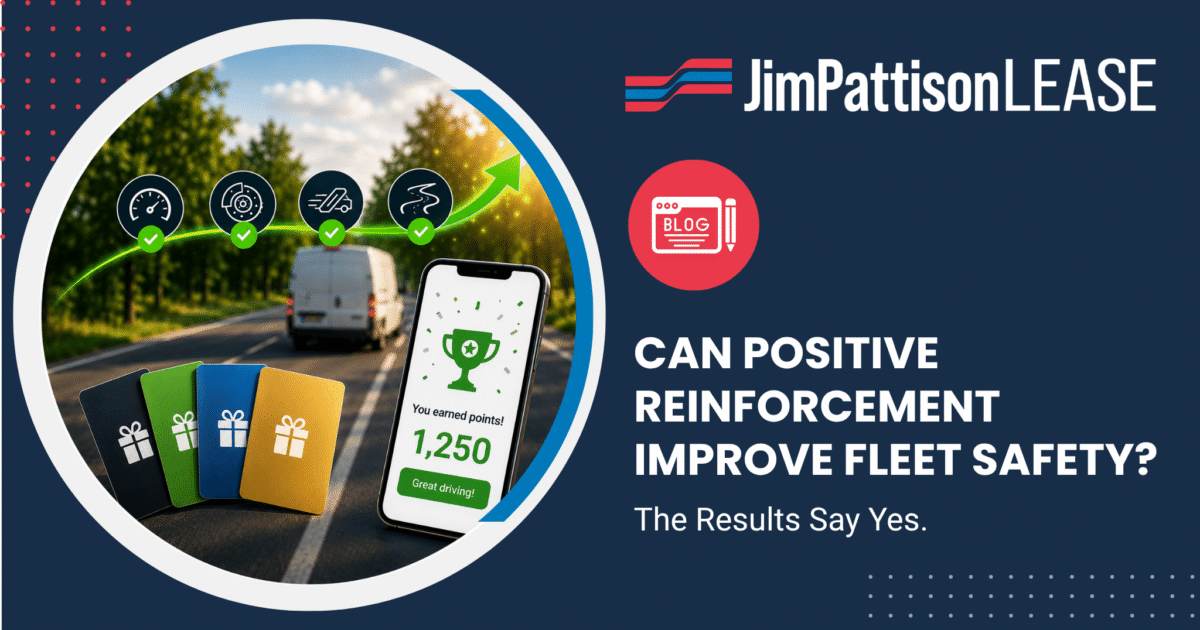
Fleet safety programs have traditionally focused on identifying unsafe behaviour and correcting it after it occurs. While coaching and corrective action remain important, many organizations are also looking for more proactive ways to keep drivers engaged and motivated.
Positive reinforcement offers another approach.
By recognizing improvement and rewarding safer choices, fleet managers can help drivers build better habits over time, while supporting a more positive and collaborative safety culture.
Moving Beyond Corrective Action
Drivers are often told what they are doing wrong: speeding, braking too aggressively, accelerating too quickly, or taking corners too sharply.
Although this feedback is necessary, relying only on corrective action can make safety programs feel punitive. Drivers may begin to view telematics as a monitoring tool rather than a resource designed to help them improve.
A recognition-based program changes the conversation.
Instead of focusing exclusively on mistakes, it gives drivers clear goals, acknowledges progress, and provides meaningful incentives for safer performance. This can help increase participation, strengthen accountability, and encourage drivers to take greater ownership of their behaviour behind the wheel.
How a Driver Engagement Program Works
With our fleet technology program, organizations using our Geotab-powered telematics platform can add a software-based driver engagement program to their existing solution. No additional hardware is required.
The program uses telematics data to establish personalized weekly safety goals based on each driver’s behaviour.
Areas of focus may include:
- Speeding
- Harsh braking
- Harsh acceleration
- Cornering
Drivers earn points as they improve their performance and meet their assigned goals. Those points can then be redeemed for popular gift cards, providing a tangible and ongoing incentive to make safer choices.
Because goals are personalized, the program can meet drivers where they are. Rather than applying the same standard to everyone, it encourages individual improvement and creates a more achievable path toward safer driving.
Measurable Results from a Two-Month Pilot
A recent two month pilot involving 20 vehicles demonstrated how positive reinforcement can produce meaningful changes in driver behaviour.
The pilot recorded:
- A 39% reduction in harsh acceleration events
- A 25% reduction in harsh braking events
- A 15% reduction in cornering events
- An 8% reduction in speeding events
- A 20.3% overall improvement in safety metrics
Participants also redeemed $270 in rewards while helping the organization achieve 47% of its identified safety goals.
These results show that even a relatively short program can begin to influence driver behaviour when goals are clear, progress is visible, and safer choices are recognized.
Why It Matters
A driver engagement program delivers benefits that go well beyond improving driving scores. By combining telematics insights with positive reinforcement, organizations can:
- Reduce risk by encouraging safer driving habits and help prevent collisions
- Increase accountability with personalized goals that motivate continuous improvement
- Strengthen safety culture by rewarding positive behaviour instead of focusing solely on corrective action
- Lower operating costs through reduced fuel consumption, vehicle wear, maintenance, and accident related expenses
- Turn data into action by using telematics insights to drive measurable behavioural change
- Help shift the perception of telematics from surveillance to support. Drivers are encouraged to participate in the safety program rather than simply react to corrective feedback and are rewarded for improvement
Building a Program That Fits Your Fleet
Every organization has different safety priorities, operational requirements, and driver profiles. A successful program should reflect those differences.
Before implementing a driver engagement initiative, fleet managers should consider:
- Which behaviours create the greatest risk
- How goals will be established and measured
- How progress will be communicated to drivers
- Which rewards will be meaningful and appropriate
- How the program will support broader safety policies
- How results will be reviewed and reported
It is also important to introduce the program clearly. Drivers should understand what data is being collected, how it will be used, and how the initiative is intended to support, not punish them.
Turn Insight Into Action
Telematics can provide detailed visibility into driver behaviour, but data alone does not create lasting change.
By combining telematics insights with personalized goals, recognition, and rewards, organizations can create a more engaging approach to fleet safety, one that encourages drivers to improve while delivering measurable results for the business.
Whether you are looking to enhance an existing telematics program or explore a new fleet technology solution, we can help you identify an approach that aligns with your operational needs and safety objectives.
Contact our team to schedule a free demo and learn how our telematics solutions can help you build a safer, more productive fleet.


